Semax Versus Selank: Focus, Stress, and Research

Compare Semax versus Selank research: mechanisms, study signals, quality standards, and key questions for responsible investigational work in the US now.
Compare Semax versus Selank research: mechanisms, study signals, quality standards, and key questions for responsible investigational work in the US now.

Peptide trends for 2026: GLP research, GH signaling, recovery, neuropeptides, and quality standards shaping smarter investigational research programs.

This growth hormone secretagogue guide explains GH signaling research, compound classes, quality controls, and responsible investigational study design.
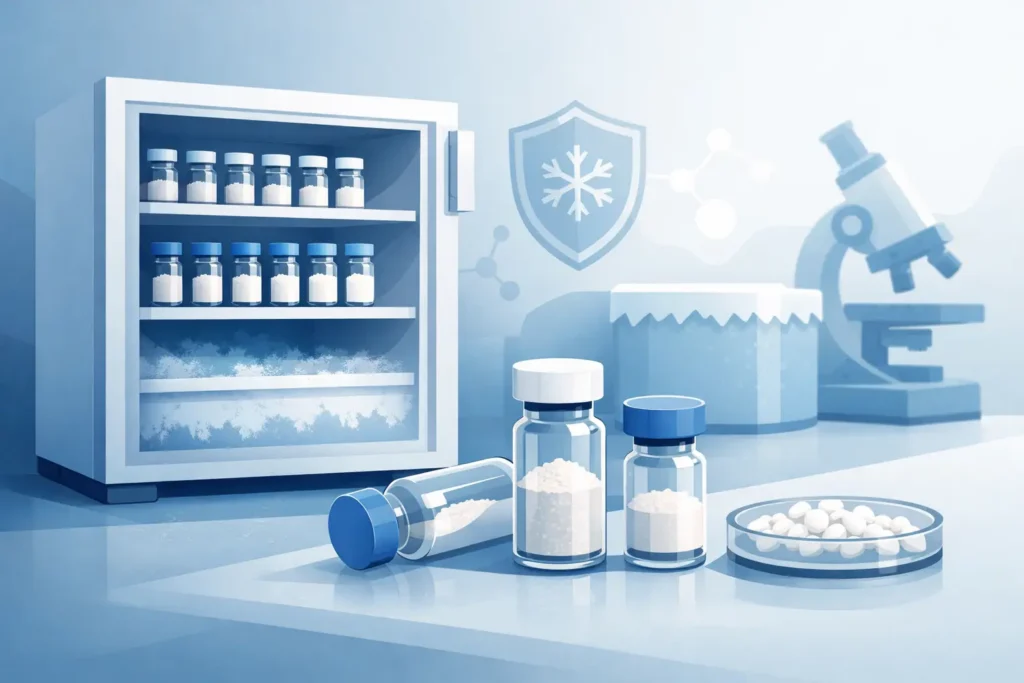
Learn how to store lyophilized peptides with temperature, light, moisture, and documentation controls that protect research material integrity over time.

GLP-1 versus glucagon reveals how two pancreatic signals shape appetite, glucose output, and next-generation metabolic research priorities in research.
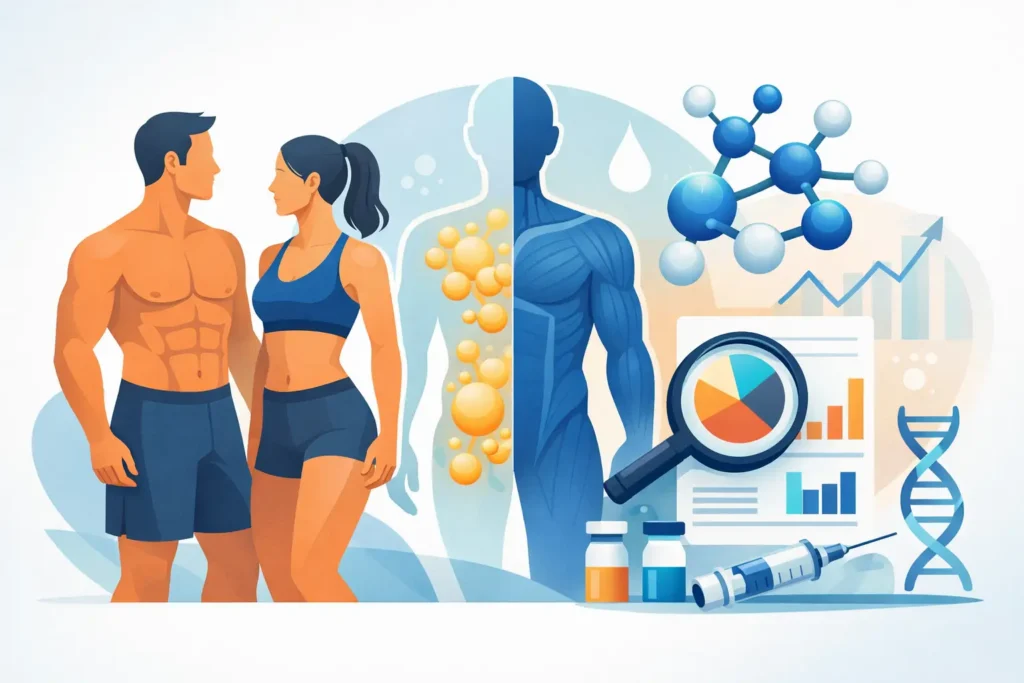
A clear look at body composition peptides, from incretin and GH signaling research to quality controls, evidence limits, and responsible evaluation today.
Peptide skincare can support a smoother, firmer-looking complexion. Learn which peptides matter, how to layer them, and what results to expect in practice.

Research peptides organized by scientific objective, quality documentation, and investigational context for informed laboratory evaluation standards.

Cellular signaling peptides are research tools for studying communication pathways, recovery biology, tissue activity, and system-level responses safely.

Peptide sourcing standards define traceability, testing, storage, and documentation – the signals serious research buyers should expect before purchase.
Discount Applied Successfully!
Your savings have been added to the cart.
Welcome Offer
Join our email list and receive 10% off plus free shipping on your first order.
You're now part of our rewards program! Start earning points and rewards with every purchase.
Start earning pointsCreate a free account to start earning points and unlocking member-only perks.
Your order email will be used to create your account.
From your recent order
Already have an account?
Welcome back! Sign in to access your rewards.
Don't have an account?
Share your link with friends. They get a reward and you earn one when they purchase.
You were sent a gift
You have received
Use at checkout on your first order
Enter your email to claim it now.
Already have an account?
You'll earn on
You'll earn bonus points on your special day!
You'll earn on You'll earn on your special day!
Already have an account?
When friends shop using your referral link, you'll see their activity here
Pending
Requires an account to redeem
Redeem rewards now
Turn your into discounts and perks
Instant setup
One click and you're ready to go
Earn even more
Get +100 bonus for signing up
Redeemed
Use this coupon on your next order
Free product applies automatically.
Start earning to unlock your first reward
This product is currently out of stock
Your reward will remain available when the product is back in stock.
Free product applies automatically.
You're now part of our rewards program! Start earning points and rewards with every purchase.
Start earning pointsCreate a free account to start earning points and unlocking member-only perks.
Your order email will be used to create your account.
From your recent order
Already have an account?
Welcome back! Sign in to access your rewards.
Don't have an account?
Share your link with friends. They get a reward and you earn one when they purchase.
You were sent a gift
You have received
Use at checkout on your first order
Enter your email to claim it now.
Already have an account?
You'll earn on
You'll earn bonus points on your special day!
You'll earn on You'll earn on your special day!
Already have an account?
When friends shop using your referral link, you'll see their activity here
Pending
Requires an account to redeem
Redeem rewards now
Turn your into discounts and perks
Instant setup
One click and you're ready to go
Earn even more
Get +100 bonus for signing up
Redeemed
Use this coupon on your next order
Free product applies automatically.
Start earning to unlock your first reward
This product is currently out of stock
Your reward will remain available when the product is back in stock.
Free product applies automatically.