
Lyophilized Versus Liquid Peptides: What to Know
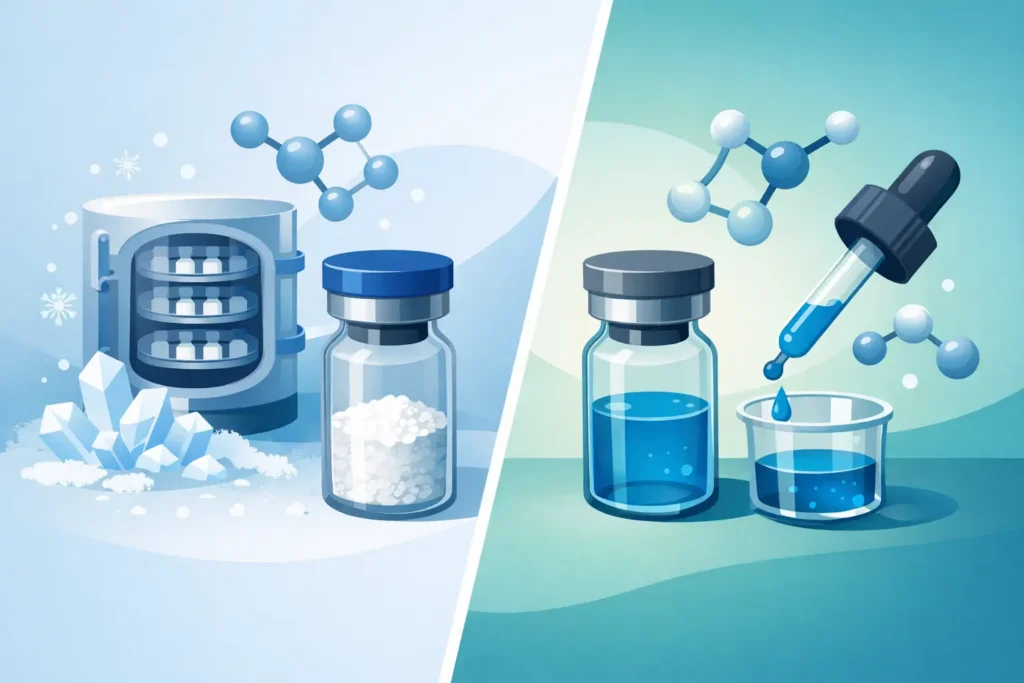
Compare lyophilized versus liquid peptides across stability, storage, handling, and workflow to select the right research format for your needs today.
Compare lyophilized versus liquid peptides across stability, storage, handling, and workflow to select the right research format for your needs today.
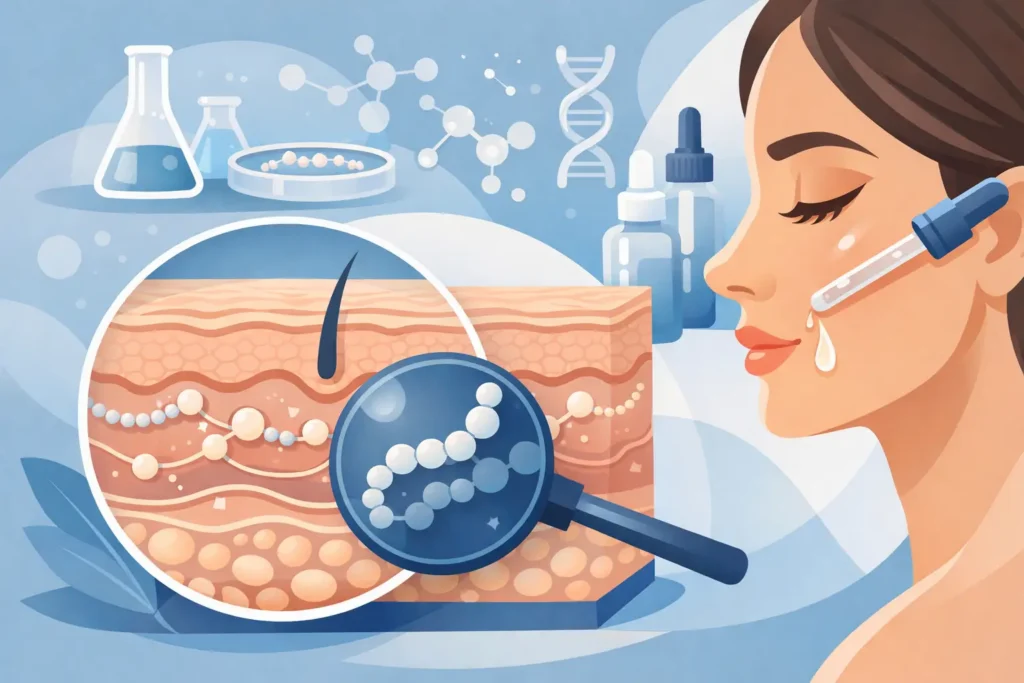
Aesthetic peptides are being studied for skin biology, extracellular matrix signaling, and visible-aging research. Learn how to assess quality and scope.

Learn how to screen research suppliers through identity checks, testing records, RUO labels, handling standards, and batch-level documentation online.

Learn how incretin peptides influence glucose, appetite, and energy signaling, plus the questions that shape responsible metabolic research programs today.

GLP-2 versus GLP-3 pathways are not a simple head-to-head. Learn what established incretin science shows and where terminology needs caution in research.

Learn when batch testing is useful in peptide research, what a batch report can confirm, and why documentation, handling, and method details also matter.

Metabolic biomarker trends are reshaping wellness research, from glucose variability to body composition, incretin signals, and context-first analysis.

This metabolic program selection guide compares investigational pathways, quality signals, and research-fit factors for selecting monthly kits with clarity.
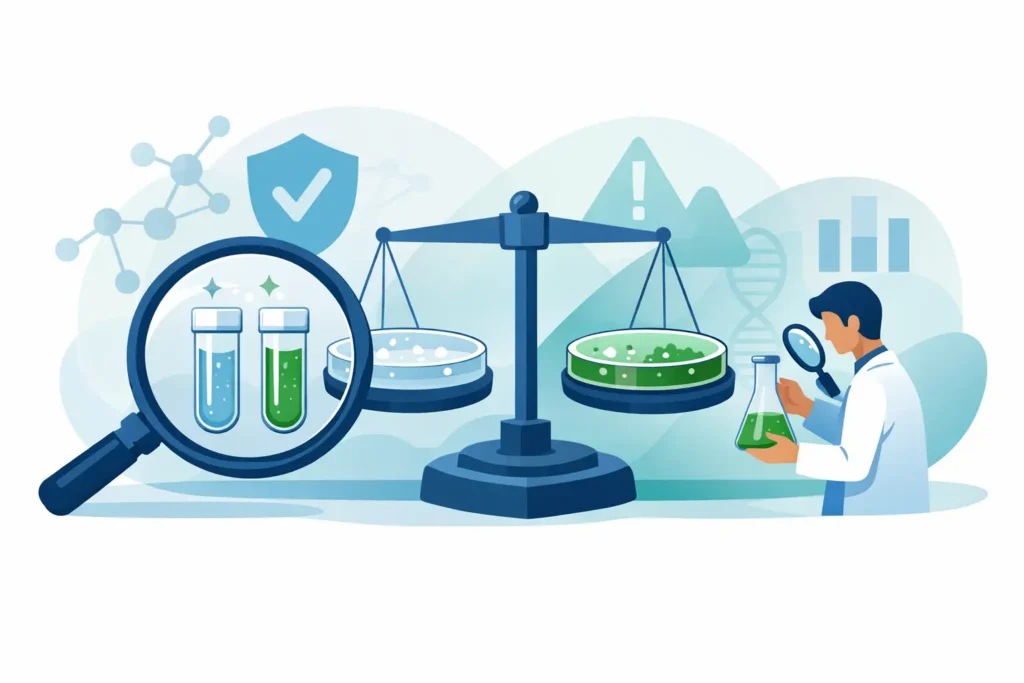
A research purity comparison shows what a COA, method, batch record, and cold-chain record can reveal about research-use-only peptide material quality.

Are research peptides regulated? See how FDA oversight, labeling, intended use define the line between legitimate research and consumer products in the US.
Discount Applied Successfully!
Your savings have been added to the cart.
Welcome Offer
Join our email list and receive 10% off plus free shipping on your first order.
You're now part of our rewards program! Start earning points and rewards with every purchase.
Start earning pointsCreate a free account to start earning points and unlocking member-only perks.
Your order email will be used to create your account.
From your recent order
Already have an account?
Welcome back! Sign in to access your rewards.
Don't have an account?
Share your link with friends. They get a reward and you earn one when they purchase.
You were sent a gift
You have received
Use at checkout on your first order
Enter your email to claim it now.
Already have an account?
You'll earn on
You'll earn bonus points on your special day!
You'll earn on You'll earn on your special day!
Already have an account?
When friends shop using your referral link, you'll see their activity here
Pending
Requires an account to redeem
Redeem rewards now
Turn your into discounts and perks
Instant setup
One click and you're ready to go
Earn even more
Get +100 bonus for signing up
Redeemed
Use this coupon on your next order
Free product applies automatically.
Start earning to unlock your first reward
This product is currently out of stock
Your reward will remain available when the product is back in stock.
Free product applies automatically.
You're now part of our rewards program! Start earning points and rewards with every purchase.
Start earning pointsCreate a free account to start earning points and unlocking member-only perks.
Your order email will be used to create your account.
From your recent order
Already have an account?
Welcome back! Sign in to access your rewards.
Don't have an account?
Share your link with friends. They get a reward and you earn one when they purchase.
You were sent a gift
You have received
Use at checkout on your first order
Enter your email to claim it now.
Already have an account?
You'll earn on
You'll earn bonus points on your special day!
You'll earn on You'll earn on your special day!
Already have an account?
When friends shop using your referral link, you'll see their activity here
Pending
Requires an account to redeem
Redeem rewards now
Turn your into discounts and perks
Instant setup
One click and you're ready to go
Earn even more
Get +100 bonus for signing up
Redeemed
Use this coupon on your next order
Free product applies automatically.
Start earning to unlock your first reward
This product is currently out of stock
Your reward will remain available when the product is back in stock.
Free product applies automatically.